Podcast
November 25, 2025
Navigating Healthcare's Toughest Challenges, with Elizabeth Saylor
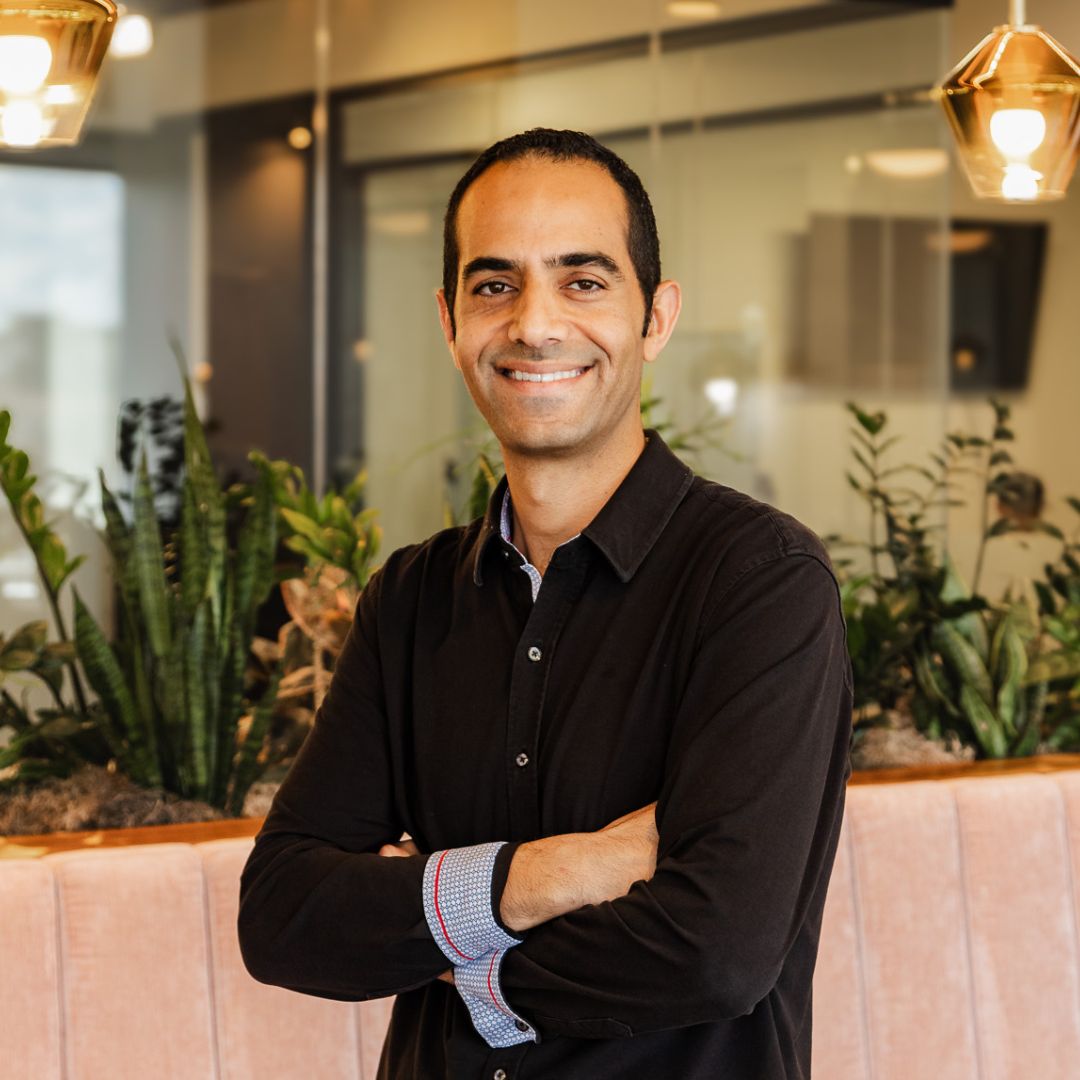
In the complex world of healthcare, leadership roles can often take unexpected turns. Elizabeth Saylor, CEO of Phoenix Heart, shares her unique journey from finance to healthcare leadership in a recent episode of The Innovators podcast. Her story not only highlights the importance of adaptability but also sheds light on the pressing challenges within the healthcare system today.





Kaled Alhanafi (00:00.212)
Welcome to The Innovators, the podcast powered by Basata. I'm your host Kaled Alhanafi, CEO, Co-founder of Basata. I'm excited to welcome Elizabeth Saylor, CEO of Phoenix Heart, to the show today.
Kaled Alhanafi (00:19.074)
Welcome to The Innovators podcast. I'm Kaled Alhanafi, your host today, co-founder and CEO of Basata. Welcome Elizabeth Saylor, CEO of Phoenix Heart, one of our partners and customers. Thanks for being here. Of course, before we begin, I'd love to learn a little bit more about your journey, how you got into healthcare and how you moved from finance and being a CFO to the CEO you are today at Phoenix Heart.
Elizabeth Saylor (00:44.568)
Thank you for having me.
Sure, so I went to school to be a physical therapist right after high school and I had a son and so I had to take off some time. Then I decided, well, I have a child, I need to do stepping stones to be able to become that physical therapist. So I went to school to be a medical assistant, went to a clinic that I did not want to work at decided that patient care was not for me, but I still really wanted to have that healthcare background. And so I worked for this company called The Money Station. It was mortgages and they did accounting and it was really fun and I was good at it. And so I'm like, how do I take this? How do I roll it in this healthcare world? And...
Then I decided, you know what, let me do accounting in healthcare and I'll go down this journey. Let's see where it takes me. So I did that and I became an auditor primarily in healthcare, like a hospital type settings. Did that for about five years. And finally, my husband's from Montana and he said, I wanna go back to Montana. And he was an airline pilot so we could live wherever we wanted.
So yes, and so I'm like, okay, let me go look in Montana. We'll move there if I can find something I did became a controller at first and Did that for about a year or two? The CFO that they had he went to a different job and I became their CFO and it was a great job I mean it was fun. I got to deal with kids all the time and Just it was uplifting
Right? And a couple years through that, then I finally went to a hospital, became a CFO there. But I really, really like operations, efficiencies. How do I utilize IT to my fullest, right? That finance side of me, it's, how is it cost effective? How can we make change? How can we help staff? Because staff can be expensive if they don't have the right to.
Elizabeth Saylor (03:07.462)
because now they're spending their time on things they don't need to spend their time on. So I became a CEO. Phoenix Heart asked me if I would be willing to be their next CEO after my predecessor retired and I said, sure, that would be great. And I really like it. I feel like a lot of changes happened. I love utilizing the technology, changing EMR systems, those types of things.
That's amazing. Thanks for sharing that. The journey to CEO comes from different paths, right? And yours is a unique one where you came from being a CFO and really on the finance side, as you said. What does that give you as an advantage or an edge to see things a little bit differently in the practice?
When I'm looking at strategy, can see, is it cost effective? I can do an analysis. I'll see it relatively faster than most. So that helps give me that advantage to say, you know, this would be a good direction to go.
Yes, that's great. And one of the reasons I really wanted to talk to you is part of the problem in healthcare today is a lot of practices are being squeezed on both sides and that's financial. So, with a CFO background. That's financial. So, they're squeezed on both sides in the sense that the costs are going high and ballooning and it really is essentially becoming hard to adapt to. And then the revenue is not keeping up.
And you really need that mindset. So it's wonderful to see CEOs that have that background have done this for a long time coming into this role. I wanted to touch a little bit on what got you into healthcare specifically. What inspired you to go there? Was there a moment in your life or anything, whether it's personal or professional, that really got you to care about healthcare?
Elizabeth Saylor (05:06.796)
Yes, so my father was sick most of my childhood. And then my husband was sick and they had really good doctors, but there was a lot that would hold up the process. So it would be things like scheduling issues, prior off issues, maybe the insurance would deny a procedure that they may have needed. Really being able to look at that back end and how can we make it better for other patients.
Yeah, so really the medicine side of things was great, but then the administrative operational side, there's just a lot there that wasn't working. What does that look like today in whether it's your practice or healthcare in general? What do you see are some of the burdens for the patient, the providers and the practices as it relates to the administrative side of things there was.
Elizabeth Saylor (06:03.66)
I would say that we see patients come in, they need a procedure. We put in a prior auth, we call, they may have been denied. So now this patient that needed that procedure could have been in in a week had that prior auth been approved. Now they have to wait maybe another week, another two weeks when it could be potentially declined again.
Eventually the team will be able to get it approved. We've seen that happen. Now this patient's had to wait weeks, months, what have you. That just lets whatever they have going on, you know, build up so they don't get treatment right away, which could have potentially helped with something else. And then that patient, it was approved prior off. Now they've had their procedure. Now the insurance may not want to pay.
So now our team has to let the patient know and then typically call the insurances and do appeals and those types of things until the patient's invoice or bill can be paid.
Absolutely. And we were also talking earlier about all the issues with scheduling and some of the other things. What does that look like? If you can share a little bit more about that.
Sure, so scheduling is one of those things that we really try to get patients in the same week if we can, right? It's important. Not always does that happen. It would be helpful if we had tools that could, the patient could go online, they could search their doctor's schedule themselves and then be able to put their own appointment in. That would help the staff too because they get overwhelming phone calls.
Elizabeth Saylor (07:55.32)
the volume's high, so how can we take a tool such as AI, put it into our scheduling department, let the patient have that control of when they want to schedule their appointment while keeping the volume less for our scheduling staff.
That's great. Well, speaking of AI, how do you think about what AI in general is going to do to a practice like yours? What the impact will be? And how do you bring the staff along the journey with you to making these changes?
So what we do is we've created a QR code for our staff. They can write what they would like to see for changes. It's anonymous. They help us build where they're the front line. They're going to know what's broken. So it's just communication, trying to stay in that communication with them. And how will AI work with that? It will help them have more patient time.
face to face rather than always doing the administrative burden. When a patient comes to the window to check in, you want your front staff to be able to focus on the patient, not try to put everything into the system staring at the computer. The customer service people.
It's not a good experience for the patient or the admin that's doing the work, right? Let's pause the conversation. Let me tell you about Basata. Basata is building the AI workforce for healthcare. We automate faxes, phone calls, and everything in between on the administrative side of healthcare so that you can focus on care. Less chaos, more care. To learn more, visit our website, Basata.ai. Now let's dive back into the conversation. When you think about
Kaled Alhanafi (09:45.324)
the staff that you have, a lot of times we call the administrators the unsung heroes of healthcare. They tend to not get the credit, they tend to be either in the front end or the back end doing the work and it's tedious work, repetitive work, but very important work. How do you think, if you wanna highlight some of your team members or teams that are doing this work, who would you think of first as it relates to the unsung heroes of healthcare in your practice?
So I think of those that are at the front desk greeting the customers as they come in, checking them in, having a friendly smile because that patient might be there for something that they're scared. So I would say the front desk, then you have the schedulers that they're trying to fit these patients in wherever they can. As long as there's an opening, they really do try.
And then you look at your MAs, they're rooming the patients, they're working with the doctors, they're really trying to be there to answer the questions as they can for the patients. You have your billers, they're talking to patients, you know, if a patient's concerned because they received an invoice and they're confused, they're gonna call the billing department and they have to have great customer service skills as well and they do.
In almost every other industry, we've seen technology really improve the way things are done. So, prior to doing this, I worked on self-driving cars, we talked about that, you look at that, my goodness, it's amazing. You can order today a burrito on your phone, you can order a car on your phone, yet in healthcare, things are still not there.
Why do you think that is and what do you think it will take to make a change to really bring health care to where it should be today?
Elizabeth Saylor (11:37.984)
I think that it's costly to make that change.
Elizabeth Saylor (11:47.15)
I think that when you have particular staff that only see certain areas and they don't see a full picture and they're trying to implement different softwares or products, it can become even more costly because they might not see the whole picture. So really, who do you get, who do you consult with? What kind of groups do you go to that can see the entire picture? So then, at the end of whatever you've implemented is good software that didn't cost you a ton of money to get.
That makes sense. And what advice would you have to folks that are innovating in the space today? What's something that you would tell them to really, really focus on in terms of make sure you don't do this or you do do that? Would love to hear.
As we're going through our implementation, the one thing that I always let my team know, think about what do you want to report on? What do you want to know at the very end? Then that's how you start building the software. What's our hiccups? Where's our break points? Where's the efficiency breaks? How many fingers have touched this particular chart or...
Could it be shortens? So really thinking through those processes as a whole, going and communicating with the frontline staff. Once again, it's that communication piece. Where's their breaks? What's hard for them to accomplish? That way when you're building this entire, let's say, software package or this, you're trying to solve for this issue, you've already had a lot of those questions answered by staff and thinking through what do you want to know?
Elizabeth Saylor (13:37.974)
as an administrator at the end.
So really start with the outcomes in mind. What do you want to report on? What do you care about? What are some examples of what you care about in a practice as a CEO and your team? So, know, maybe three top level metrics. What are those? What do you care about?
I always want to see where my billing is. of course. So where's the money? It's important.
We talked about that point earlier, the insurance companies denial rates, etc.
Yep, I look at denials. It's a every week thing. And then if we're looking at patient side, I want to see where are our patients at, at which of our locations. How can we move our providers around so we're still getting those patients in the door, but closer to their home rather than having to drive across the city to go to a different location.
Elizabeth Saylor (14:33.154)
So we've been really focused on that. And then I would say, because I still have the financial background, where are all of our expenses going? Exactly.
Efficiency, cost, yep. And what are you looking at specifically in terms of costs? How do you think about that whole thing?
So I think of things such as if it's a particular software, how is it helping us? Is it? Is it not? Do we utilize it? We found through that process over the last year, there were softwares that we paid for, we never used. So making sure that we were cutting those things out of the budget.
That's great. That's great. And then what about team efficiency? So, you know, making sure that the team is efficient with what they're doing. How do you look at that?
So typically you can see, and I always go back to billing because we always have such a big focus there. So what I do is every week I'm looking at how many claims were they able to work through. But then it gets back in the software. How many claims could they work if they had help with a tool such as AI or the EMR? Maybe that's the answer.
Elizabeth Saylor (15:51.234)
when they work 30 to 35 claims a day, can we increase that?
If you could have your way in a year or two, what would you like to see different in your practice?
I would like to see where my staff can work on accounts, patient accounts that have been denied that you really have to have human touch to it. all that busy work and all that noise from that busy work is taken care of by maybe an AI tool or something of that nature.
That's really helpful. On the AI front, we talked a little bit about the unsung heroes and the admins. There's also doctors that you work with. And I'm always fascinated when I go into these groups, wherever I go, the role of the CEO, you're inspiring your team, you're working with the doctors. The doctors have different opinions. They don't always agree on things. How do you bring them along the journey with you when you're trying to decide on an AI tool, a new EMR?
or not even technology, just new ancillary services for your practice. Well, what does that conversation look like?
Elizabeth Saylor (17:03.15)
Usually I will meet with, let's use a vendor. I'll meet with the vendor first, then I'll do an analysis and I typically will take a couple vendors and see how do they do against one another. If what they're saying makes sense, then I will bring them in front of our partners and show them the analysis of how could this save us money? How could they save us time?
and then I will bring that group in to demonstrate it to the partners themselves. And then the partners, they can make the choice if they want to move forward with that, whatever that is, if they want to or not. And we've done that with vendors many times.
You make the data visible to them and you bring them along with communicating to them, making sure they understand the pros and cons. That's great. What about your vision for what the practice is going to be in the next 10 years? The group of providers that brought you in, they got excited about your background, you're now the CEO of the group, and you're growing and growing fast. What do the next 10 years look like for you, Elizabeth, and then for the practice as well?
For the practice, I would love to see them to a point where they're number one in Phoenix, which if you look, we are, and continue to stay number one, but also being able to have the efficiencies in the back end. Everything's running smooth. The customers are, the patients, they're happy. The employees are happy. Happy employees make for happy patients. So.
really focusing on those customer services for both patients and staff. 10 years where I would like to see a lot of things go is where it's one system to where you can just go to one place and see everything that you need. That would be ideal. Full integration.
Kaled Alhanafi (18:52.014)
That's great.
Kaled Alhanafi (19:04.654)
full integration. It's all easy to access one place, both for the patients, the providers, the administrators.
financial accounting software with EMR software to where they just seamlessly talk.
Which is by the way in other industries all normal right you've got couple systems. They talk to each other healthcare We've got this problem where it's very fragmented which also creates the opportunity to make it better That that's great. I wanted to also touch on kind of your personal view of What what can also change in healthcare, right? So we we talked about in the past if you had a magic wand, you know, and you could just
Snap your fingers and wake up and our healthcare system here in the United States is 10x better. What does that mean for you? What would you want to happen?
I would want to see patients have access to care. It's easy for them to have that care. They don't have to go through all the red tape to get there. I feel like eventually that would be cheaper, one would think, on insurance companies because now that problem doesn't turn into another problem.
Kaled Alhanafi (20:18.082)
Right. So it really keeps coming back to the doctors are doing great work. It's really on the administration side and not that the admins are not doing the work, but it's so complex and you would want to simplify it.
It is.
I would, and it's a lot of data that you're constantly looking at. One person can't look at all of that data. It's impossible.
Yeah. And you talked about prior auth, we talked about scheduling. Another area maybe we didn't touch on today is referrals and medical records. When I first came to this industry, I learned so much about medical records and the amount of paper and faxes involved. So not only do you have all the phone calls to deal with, but a lot of the faxes. Tell us a little bit more about that.
Medical records is a very busy department, that was for sure. They did get a lot of referral paper and they would look through each one of them manually and make sure that they went, in our system they're called buckets, so making sure they went to the right bucket so whoever on the other end needed it could see it. That's hundreds of copies every day that they would have to go through. They did a good job at it.
Elizabeth Saylor (21:32.514)
But really bringing in the AIs helped tremendously because that portion of our company is running much smoother. Now the head of that department can focus on other things like patient care, know, really good service for their front desk staff, scheduling, those types of things because that person runs all three departments.
That's wonderful to hear. And I'm sure the team is going to love hearing that, that it's working so smoothly. Why is it important to you? And I heard this from you in the past, especially when we were talking about partnering together, Basata and Phoenix Heart. Why is it so important for you to work with one vendor for most of the work that you want to automate and bring AI to rather than different vendors that you're working with? And we consider ourselves a partner, not a vendor, but tell us more about why one.
It's that partnership, helping us grow through processes. It's really important to where if I have maybe an issue comes up or maybe an opportunity, then I can call this one group. We've already have that relationship. There's that trust. So really being able to utilize their skills and moving what we need forward with one group rather than, well, I have to call this group. wait, no this group does that, I have that relationship with one group.
That's great. And what would you say you're hoping to accomplish by the end of this partnership or at least in the next couple of years working together?
Elizabeth Saylor (23:12.952)
Pretty big question, because I have a lot of ideas.
I know, I know.
What I'm hoping eventually happens is our billing staff can focus again on those claims that are really hard to get paid. And some of those prior auths they're getting taken care of through some sort of AI. Scheduling is really important to where that patient can go in and schedule their own appointments. That way, you know, that helps the volume on the other side for our schedulers. So they're now able to take other calls.
And really sometimes you get those patients who just need to talk to someone. So then the schedulers can focus on those patients.
That's great. Thank you for that. I want to kind of shift gears a little bit on the personal side so that everyone gets to know you a little bit because you have a unique background, your story we talked about earlier, coming from being a CFO to a CEO, and then that story around your husband and dad and what got you to healthcare. But tell us just about your personal life. What kind of hobbies, habits do you have outside of work?
Elizabeth Saylor (24:23.5)
I like to cook. I like to try new things when I do cook. I can't say they always turn out that well, but I try. I have a new grandson, so I really Congratulations. Thank you. I really like playing with him. He's really cute. And then I really like being with my friends and family. I like to hike. I like going to Montana. I have a home up there and really, really like to go up there and just be with nature.
Kaled Alhanafi:
when you get the time. Because as I've learned, the CEO role in any healthcare organization, not easy. lot of responsibility. It is. Great. Well, Elizabeth, thank you so much for joining us today and sharing your story. Super excited to have the audience hear it and looking forward to continued partnership between our organization.
when I get the time.
Elizabeth Saylor (25:04.75)
Yes.
Elizabeth Saylor (25:18.232)
Me as well. Thank you for having me.
Kaled Alhanafi:
Of course, absolutely. Thanks for listening to today's episode of the Innovators Podcast. Please like, share, and subscribe. To learn more about Basata, please visit www.basata.ai, where we automate faxes and phone calls for medical practices. Thank you.

Ready for your administrative breakthrough?
Get in touch today and learn how Basata can give your admin team superpowers.